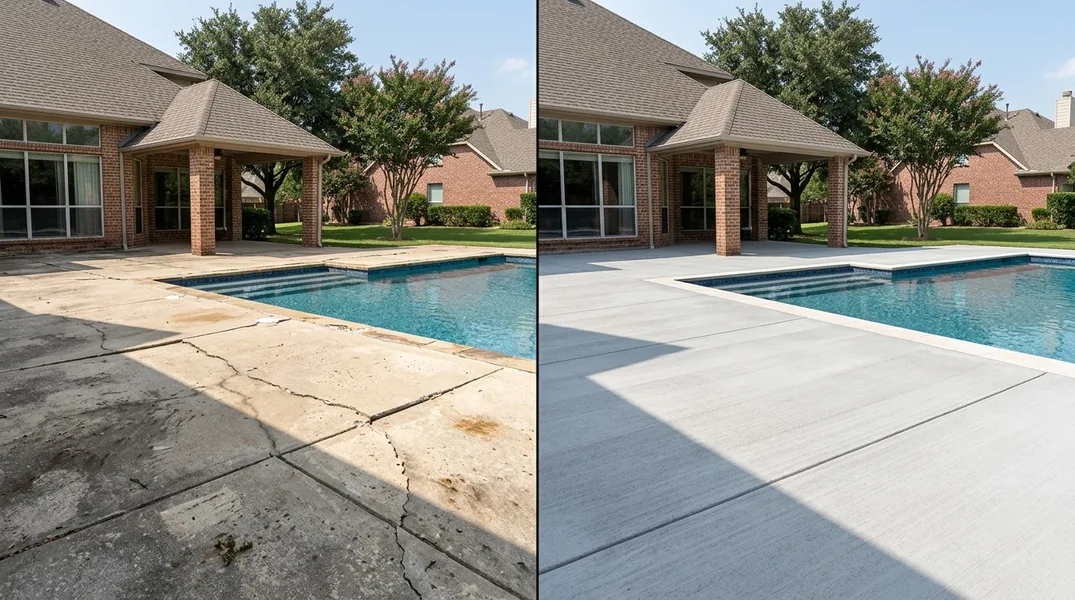
Concrete vs. Pavers: Understanding Your Options
When it comes to upgrading your outdoor spaces in Plano, the choice between concrete and pavers is one of the most important decisions you'll make. Both materials have earned their place in modern landscaping and hardscaping, but they offer distinctly different benefits and drawbacks. Understanding the fundamental differences between these two options will help you make an informed decision that aligns with your budget, aesthetic preferences, and long-term maintenance expectations.
Concrete is a monolithic material poured as a single slab, creating a seamless, uniform surface. Pavers, by contrast, are individual units (typically made from brick, stone, or permeable materials) laid side by side to form a patio or driveway. This fundamental structural difference influences everything from installation time to repair procedures to overall visual appeal. For homeowners in Plano considering either option, knowing these distinctions upfront saves time and prevents costly mistakes.
Durability and Longevity: How Long Will Your Investment Last?
Concrete Driveways typically last 25 to 40 years with proper care, making them a durable long-term investment for most Plano homeowners. However, concrete is susceptible to cracking, especially in climates with freeze-thaw cycles or significant temperature fluctuations. The Texas climate, with its hot summers and occasional cold snaps, can stress concrete over time. Once cracks develop, they can widen and allow water penetration, potentially leading to more serious structural issues. This is where Concrete Repair & Resurfacing services become valuable for maintaining your investment.
Pavers, on the other hand, can last 25 to 50 years or even longer, depending on the material quality and installation precision. Because pavers are individual units, a damaged paver can be replaced without affecting the surrounding surface. This modular approach offers flexibility that monolithic concrete cannot match. However, paver durability depends heavily on proper base preparation and ongoing maintenance. Settling, shifting soil, or inadequate drainage can cause pavers to become uneven over time. Additionally, the joints between pavers can deteriorate, requiring periodic re-sanding or re-grouting to maintain structural integrity and prevent weed growth.
Maintenance Requirements: What's Realistic for Your Lifestyle?
Concrete requires relatively straightforward maintenance compared to many hardscaping materials. Regular sweeping, occasional pressure washing, and prompt sealing every 2 to 3 years will keep your concrete surface looking fresh and protected. The main challenge is addressing cracks early before they become expensive problems. Concrete also stains easily, so spills should be cleaned quickly. For homeowners who prefer low-intervention outdoor spaces, concrete offers simplicity. However, if you want to keep concrete looking pristine, you'll need to stay on top of sealing and cleaning schedules.
Pavers demand more active maintenance but offer different benefits in return. The joints between pavers accumulate dirt, sand, and debris over time. You'll need to sweep regularly, and periodic power washing helps maintain the paver surface itself. Re-sanding joints every few years prevents weeds from taking root and keeps the structure stable. Some paver materials, particularly natural stone, may require sealing to prevent staining and weathering. While this sounds labor-intensive, many homeowners appreciate the ability to refresh individual pavers or adjust the joint material without replacing the entire surface. For those who enjoy hands-on yard work or prefer a more evolving aesthetic, pavers can be rewarding.
Cost Comparison: Concrete vs. Paver Installation in Texas
When evaluating pricing for concrete versus pavers, installation costs are often the deciding factor for budget-conscious homeowners. Concrete typically costs less upfront, ranging from $4 to $8 per square foot for a standard pour, depending on site conditions and finish type. This affordability makes concrete an attractive option for larger projects like full driveways. Concrete Patios and driveways can be installed relatively quickly, sometimes in just a few days, which also reduces labor costs compared to paver installation.
Paver installation typically costs more upfront, ranging from $8 to $25 per square foot depending on material quality and complexity. The labor-intensive nature of laying individual units, combined with the materials themselves, drives higher initial expenses. However, when you factor in long-term maintenance and potential repairs, the cost picture becomes more nuanced. Concrete may require expensive resurfacing or patching over its lifetime, while pavers allow for targeted replacements. For a detailed breakdown of what your specific project might cost, Plano Concrete recommends getting a free estimate from a local professional who understands regional soil conditions and climate factors.
Aesthetic Appeal and Design Flexibility
Concrete offers impressive design versatility that many homeowners overlook. Standard concrete provides a clean, modern look, but Stamped & Decorative Concrete opens up virtually unlimited aesthetic possibilities. You can create the appearance of stone, brick, wood, or custom patterns. Concrete can be colored, scored, or polished to match your home's architectural style. For homeowners seeking a contemporary, minimalist aesthetic or wanting to replicate high-end materials at a fraction of the cost, decorative concrete delivers impressive results. The seamless surface also creates a unified, sophisticated appearance that works well with modern and transitional home designs.
Pavers excel at creating traditional, warm, and textured outdoor spaces. Individual paver colors, shapes, and materials can be mixed and matched to create custom patterns and designs. Natural stone pavers offer authentic beauty that many find superior to stamped concrete replicas. The visual rhythm created by individual units and joint lines appeals to homeowners who prefer classic or cottage-style aesthetics. Pavers also allow you to change your design over time by replacing sections with different materials or patterns. However, this design flexibility comes with added complexity during installation and higher material costs. Your choice between these options should align not only with your budget and maintenance tolerance but also with the overall architectural character you want your outdoor space to reflect.
Environmental Considerations and Drainage
Environmental impact is an increasingly important factor in outdoor construction decisions. Standard concrete is impervious, meaning water runs off the surface rather than infiltrating the ground. This can contribute to drainage problems and increased runoff in neighborhoods with poor stormwater management. However, permeable concrete options are now available that allow water to pass through, reducing environmental impact while still providing the durability and cost benefits of concrete. Some pavers are also designed with permeable materials and joints that allow water infiltration, supporting groundwater recharge and reducing localized flooding risks. If environmental sustainability matters to you, discuss permeable options with your contractor when planning your project.
In the Plano area, where summer heat and occasional heavy rainfall are part of the climate pattern, drainage considerations are practical as well as environmental. Poor drainage can lead to water pooling, ice formation in winter, and accelerated deterioration of either material. Proper base preparation, grading, and potentially permeable materials can address these concerns. When you contact Plano Concrete at (469) 277-7590 for your project consultation, our team can assess your specific site conditions and recommend the best material and installation approach for your property's unique drainage needs.
Making Your Decision: Which Option Is Right for Your Plano Home?
Choosing between concrete and pavers ultimately depends on balancing several personal and practical factors. If you prioritize affordability, quick installation, low maintenance, and a modern aesthetic, concrete is likely your best choice. If you have the budget for a higher upfront investment and prefer traditional beauty, design flexibility, and the ability to replace individual units, pavers may be worth the extra expense. Consider your climate tolerance (both for the installation process and long-term material performance), your willingness to perform regular maintenance, and how long you plan to stay in your home.
The good news is that you don't have to make this decision alone. Plano Concrete has been helping Plano homeowners select the perfect hardscaping solution for years. Whether you're leaning toward concrete, considering pavers, or still undecided, we encourage you to reach out for a free estimate. Our experienced team can evaluate your property, discuss your preferences and budget, and provide professional recommendations based on real-world experience with local conditions. Call us at (469) 277-7590 today to schedule your consultation and take the first step toward transforming your outdoor space.
Looking for a professional tree service in Plano? Plano Concrete responds fast for all your concrete needs.
Get a Free QuoteOur services: Concrete Driveways · Concrete Patios · Stamped & Decorative Concrete