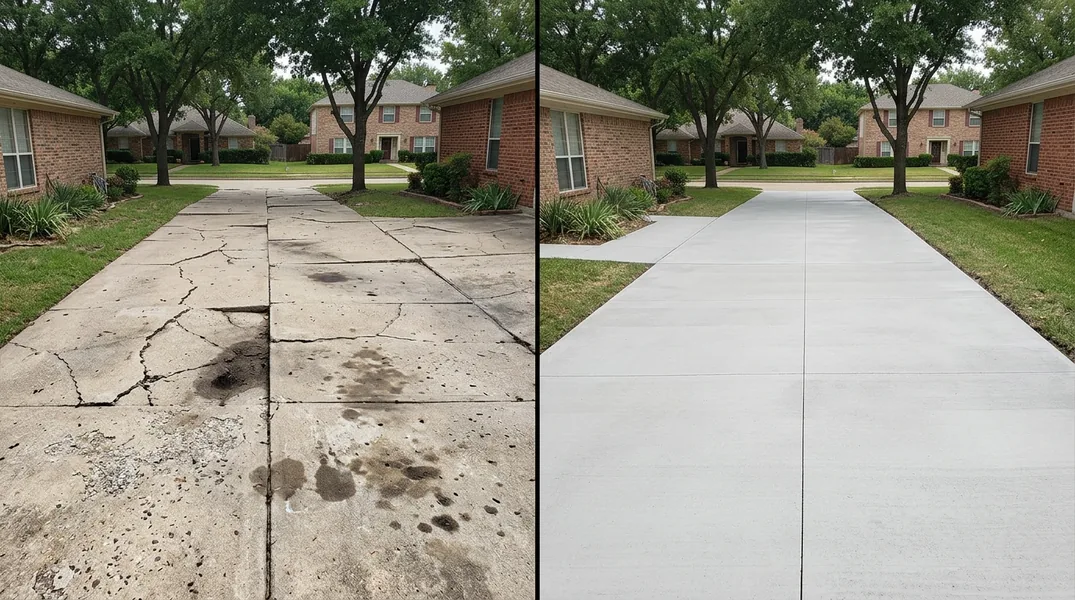
Why Timing Matters for Concrete Pouring in Texas
If you're planning a Concrete Driveways project in Plano, you might think any time is a good time to pour. After all, concrete is concrete, right? Not quite. The season and weather conditions you choose have a dramatic impact on how your concrete cures, how long it lasts, and whether you'll face costly repairs down the road. Plano's unique climate, with scorching summers and mild winters, creates specific challenges that most homeowners don't anticipate.
When concrete is poured, it undergoes a chemical process called hydration. This process is sensitive to temperature, humidity, and moisture levels. Pour at the wrong time of year, and you risk rapid evaporation, improper curing, surface cracking, and weak structural integrity. The good news is that understanding Plano's concrete pouring season can help you plan a project that will serve your home for decades. As a local Plano concrete contractor, Plano Concrete knows these conditions intimately, and we're here to guide you through the best windows for your project.
Spring: The Ideal Season for Concrete Work
Spring, particularly March through May, is widely considered the best time to pour concrete in Texas. During these months, Plano experiences moderate temperatures, typically ranging from 60 to 80 degrees Fahrenheit. This temperature range is ideal for concrete curing because it allows the hydration process to occur at a steady, controlled pace. The air isn't so hot that the concrete dries too quickly, and it's not so cold that curing slows to a crawl. Spring also brings occasional rainfall, which helps maintain moisture levels in the concrete as it sets.
Another advantage of spring pouring is lower humidity levels compared to summer and early fall. Lower humidity reduces the risk of surface cracking caused by rapid evaporation, a common problem when concrete is poured during Plano's hot season. If you're considering Concrete Patios or other outdoor projects, spring gives you the best foundation for long-term durability. Many homeowners schedule their projects for April or May to take advantage of these optimal conditions while also enjoying their new concrete surface throughout the summer.
Concrete Curing in Extreme Heat: Summer Challenges
Summer in Texas is notoriously hot, and Plano is no exception. From June through August, temperatures regularly exceed 95 degrees Fahrenheit, sometimes climbing past 100. While it's technically possible to pour concrete in summer, extreme heat creates significant challenges for concrete curing. When temperatures are too high, the concrete surface dries much faster than the interior, leading to uneven curing and an increased risk of cracking. The surface may appear set while the deeper layers are still hydrating, creating weak points that can lead to potholes, spalling, and other damage over time.
Additionally, concrete curing in extreme heat requires extra precautions that increase labor costs and complexity. Contractors must use cooling measures such as shade cloth, water misting, and sometimes even ice in the concrete mix to slow the curing process. If you absolutely must pour concrete during summer months, working with an experienced Plano concrete contractor who understands how to manage these conditions is essential. Plano Concrete has successfully completed summer projects by employing specialized techniques, but we always recommend spring or fall as the preferred seasons. If you're considering a summer pour, contact us at (469) 277-7590 to discuss your specific situation and get a free estimate.
Fall: A Secondary Window for Concrete Projects
Fall, particularly September through November, offers a secondary opportunity for concrete pouring in Plano. As temperatures begin to cool from summer's peak, conditions gradually improve for concrete work. September can still be warm, but by October and November, daytime temperatures typically settle into the 70s and 80s Fahrenheit. This cooling trend allows for more controlled curing compared to summer, though not quite as ideal as spring.
One consideration with fall pouring is that you're working against the calendar. Concrete needs time to fully cure before winter temperatures arrive. In Plano, winter is generally mild, but occasional freezing temperatures can occur from December through February. If your concrete hasn't fully cured by the time freezing weather arrives, moisture trapped within the concrete can freeze and expand, causing damage. For this reason, early fall (September and October) is preferable to late fall for new pours. If you're planning a fall project, discuss the timeline carefully with your contractor to ensure adequate curing time before winter.
Winter Considerations and Mild Texas Weather
Winter in Plano is generally mild compared to northern states, with average temperatures in the 40s and 50s Fahrenheit. While this might seem like an opportunity to pour concrete year-round, winter pouring comes with its own set of challenges. Cold temperatures slow the hydration process significantly, which means concrete takes much longer to cure. A project that might fully cure in seven days during spring could take two to three weeks or longer in winter. This extended timeline can delay your ability to use the surface and increases project costs.
Additionally, winter weather in Texas can be unpredictable. Unexpected freezes, ice, or rain can interrupt the curing process and compromise the concrete's strength. Stamped & Decorative Concrete projects are particularly vulnerable to winter weather, as the decorative elements require precise timing and conditions. While winter pouring is possible and sometimes necessary, it's generally avoided unless there's a compelling reason. If you need concrete work done during winter months, Plano Concrete can help you plan a strategy that minimizes weather-related risks.
Planning Your Concrete Project: Cost and Timeline Considerations
Beyond just picking a season, timing your concrete project affects both the timeline and your overall budget. Spring projects typically move smoothly with predictable curing times and fewer weather interruptions, which can help keep pricing stable. Summer and winter projects often require additional labor, materials, and specialized techniques to manage extreme conditions, which can increase costs. If you're planning Concrete Repair & Resurfacing work or other specialized services, seasonal factors matter even more.
The best approach is to plan ahead and schedule your project during the optimal window for your specific needs. Contact Plano Concrete today at (469) 277-7590 or request a free estimate to discuss your project timeline. Our team can help you understand how seasonal factors will affect your concrete work and ensure you get the best possible result. Whether you're looking at a simple driveway or a more complex decorative installation, timing is everything when it comes to concrete durability and appearance.
Looking for a professional tree service in Plano? Plano Concrete responds fast for all your concrete needs.
Get a Free QuoteOur services: Concrete Driveways · Concrete Patios · Stamped & Decorative Concrete